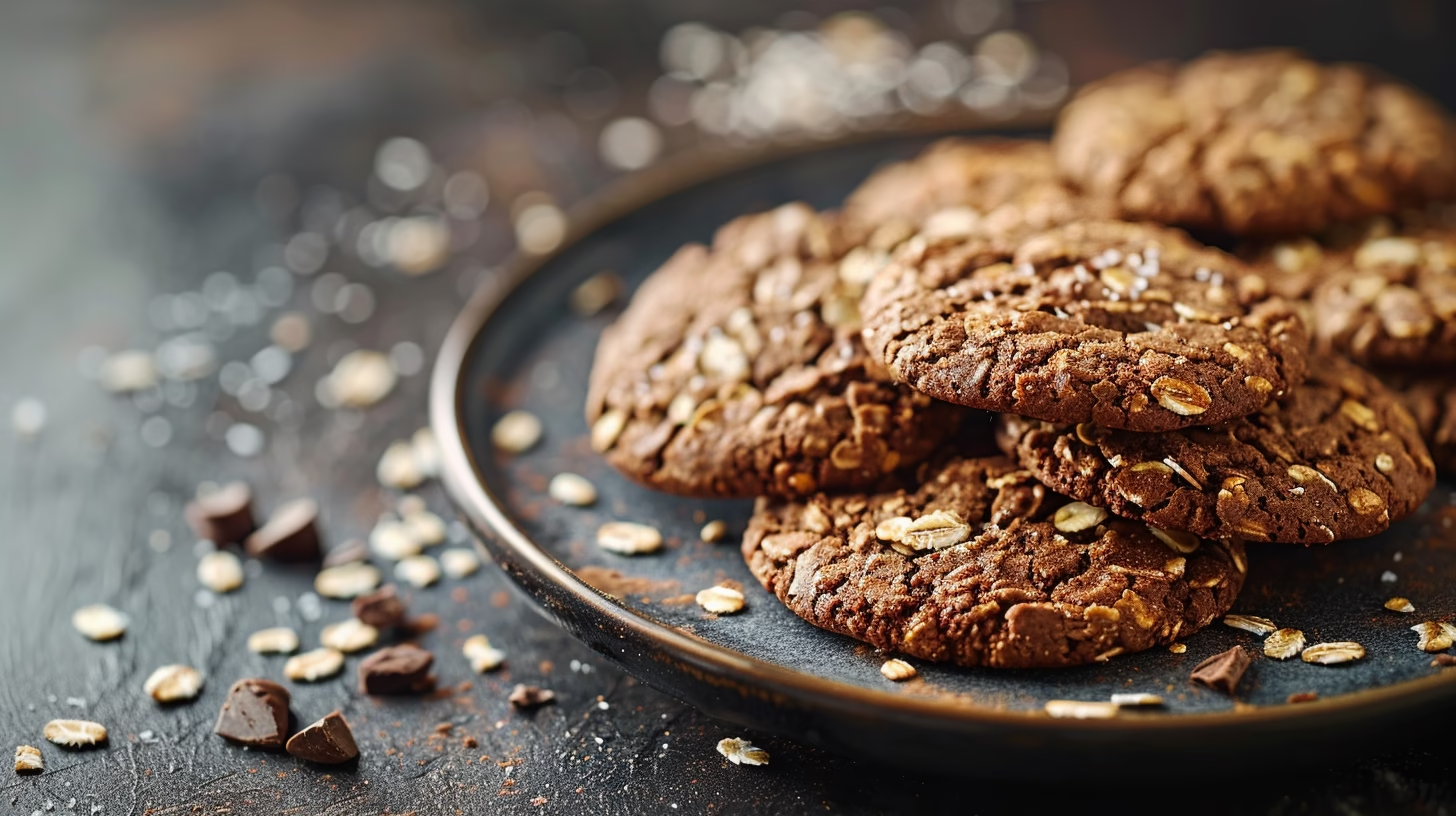
Oats cocoa cookies deliver a perfect balance of wholesome grains and rich chocolate that satisfies any sweet craving. These chewy, nutrient-dense treats combine the heartiness of rolled oats with the indulgence of cocoa, creating cookies that taste indulgent yet feel nourishing. Whether you’re baking for your family, preparing for a gathering, or simply treating yourself, oats cocoa cookies become your go-to recipe. I’ve spent years perfecting this formula, and I’m excited to share exactly how you can bake them perfectly every single time.
Table of Contents
Classic Oats Cocoa Cookies

Chewy, wholesome oats cocoa cookies loaded with rolled oats and premium cocoa powder for a satisfying homemade treat, perfect for family gatherings or personal indulgence.
1½ cups rolled oats
¾ cup unsalted butter
¾ cup brown sugar
¼ cup cocoa powder
1 egg
1 tsp non-alcoholic vanilla extract
1 cup all-purpose flour
½ tsp baking soda
½ tsp salt
½ cup dark chocolate chips
-
Cream butter and sugar until fluffy
-
Add egg and non-alcoholic vanilla extract
-
Mix dry ingredients separately
-
Combine wet and dry ingredients
-
Fold in rolled oats and chocolate chips
-
Bake at 350°F for 12-14 minutes
Nutritional Information
Approximate values per serving (one cookie)
| Nutrient | Amount per Serving |
|---|---|
| Calories | 145 kcal |
| Total Fat | 7.2g |
| Saturated Fat | 4.3g |
| Cholesterol | 22mg |
| Sodium | 125mg |
| Total Carbohydrate | 18.5g |
| Dietary Fiber | 1.8g |
| Total Sugars | 11.3g |
| Protein | 2.5g |
Why This Recipe Works
I discovered the magic of oats cocoa cookies when I needed to create something that satisfied both my chocolate cravings and my commitment to healthier eating. The combination works because rolled oats provide natural fiber and a subtle nutty flavor that complements cocoa beautifully. When you cream butter and brown sugar properly, you’re aerating the mixture, which creates that signature chewy texture we all love. The cocoa powder doesn’t just add flavor; it contributes natural tannins that deepen the overall chocolate experience without requiring excessive sugar.
What makes these oats cocoa cookies truly special is how the oats absorb moisture during baking, keeping the centers tender while the edges develop that ideal crispy-chewy contrast. I’ve tested dozens of variations, and this formula consistently delivers cookies that stay soft for three days without becoming rock-hard. The dark chocolate chips add pockets of richness that enhance each bite, while the oats keep everything grounded and wholesome. This recipe respects your time too, requiring just 28 minutes from mixing bowl to cooling rack.
My family requests these oats cocoa cookies at every gathering because they’re familiar enough for skeptics yet sophisticated enough for serious cookie enthusiasts. The flavor profile hits that sweet spot between indulgence and nutrition, making them perfect for afternoon snacks, lunch boxes, or gifting to friends. You’ll notice how the aroma fills your kitchen while they bake—that’s the cocoa and butter creating an irresistible invitation to everyone nearby.
Ingredients

| Ingredient | Quantity | Notes and Alternatives |
|---|---|---|
| Rolled Oats | 1½ cups | Use old-fashioned oats for chunkier texture. Steel-cut oats won’t work. Certified gluten-free oats available for dietary restrictions. |
| Unsalted Butter | ¾ cup (1½ sticks) | Bring to room temperature before creaming. European butter creates richer flavor. Coconut oil offers a dairy-free alternative but changes texture slightly. |
| Brown Sugar | ¾ cup packed | Pack firmly to measure accurately. Light brown sugar produces lighter cookies; dark brown adds deeper molasses notes. |
| Cocoa Powder | ¼ cup unsweetened | Use Dutch-processed cocoa for darker, richer flavor. Natural cocoa powder works but tastes slightly more bitter. Sift before measuring. |
| Large Egg | 1 whole | Room temperature binds ingredients smoothly. Flax egg alternative: 1 tbsp ground flaxseed mixed with 2.5 tbsp water (vegan option). |
| Vanilla Extract | 1 tsp | Pure vanilla extract enhances depth. Almond extract adds complexity; use ½ tsp and reduce vanilla to ½ tsp. |
| All-Purpose Flour | 1 cup | Spoon and level method prevents over-measuring. Whole wheat flour adds nuttiness but requires ¼ tsp extra baking soda. |
| Baking Soda | ½ tsp | Activates cocoa’s flavor and promotes spreading. Don’t substitute baking powder as it creates different rise. |
| Fine Sea Salt | ½ tsp | Enhances chocolate flavor perception. Table salt works but use slightly less due to finer granules. |
| Dark Chocolate Chips | ½ cup | 70% cacao or higher recommended. Semi-sweet chips work but are sweeter. Chopped chocolate bars offer premium quality. |
Chef Tips for Perfect Results
- Room temperature matters everywhere: Cold butter won’t cream properly, eggs won’t incorporate smoothly, and cold ingredients slow chemical reactions. Remove butter and eggs from the refrigerator 30 minutes before baking oats cocoa cookies to ensure perfect texture.
- Cream for full two minutes: Many bakers rush this step, but creaming butter and sugar for exactly two minutes incorporates air that creates lift and prevents dense, flat cookies. Your mixer should sound distinctly whipping, not churning.
- Sift cocoa powder separately: Cocoa powder contains lumps that won’t dissolve in cold dough. Sift it directly into your flour mixture to distribute evenly and prevent bitter streaks in finished oats cocoa cookies.
- Don’t overmix after adding flour: Once you combine wet and dry ingredients, stir just until no flour streaks remain. Overmixing activates gluten, creating tough cookies instead of chewy ones.
- Use an ice cream scoop for consistency: Portioning with a 1-tablespoon cookie scoop ensures even baking, so all your oats cocoa cookies finish at the same time with uniform appearance and texture.
- Rotate pan halfway through baking: Even ovens develop hot spots. Rotating your baking sheet after seven minutes prevents dark edges while centers remain underbaked.
Step-by-Step Instructions
Preparing Your Workspace
- Preheat your oven to 350°F and adjust the rack to the center position.
- Line two baking sheets with parchment paper to prevent sticking and ensure even browning.
- Remove butter and egg from the refrigerator so they reach room temperature within 30 minutes.
Creating the Base
- Add ¾ cup unsalted butter to a mixing bowl and beat on medium speed until softened and pale, approximately 60 seconds.
- Gradually add ¾ cup packed brown sugar to the butter and continue beating for exactly two minutes until the mixture becomes light and fluffy.
- Crack one large egg into a small bowl, whisk lightly, then add to the butter mixture while beating on low speed.
- Pour 1 tsp vanilla extract into the egg-butter mixture and beat until fully incorporated, about 30 seconds.
Combining Dry Ingredients
- Sift ¼ cup unsweetened cocoa powder into a separate medium bowl to remove lumps.
- Add 1 cup all-purpose flour, ½ tsp baking soda, and ½ tsp fine sea salt to the cocoa powder.
- Whisk these dry ingredients together for 30 seconds to distribute the leavening agent evenly throughout.
Bringing Dough Together
- Add half the dry ingredient mixture to the wet ingredients and fold gently with a spatula until partially combined.
- Add the remaining dry ingredients and fold until just a few flour streaks remain visible.
- Fold 1½ cups rolled oats into the dough using gentle strokes to avoid overmixing.
- Fold ½ cup dark chocolate chips into the dough until evenly distributed throughout.
Shaping and Baking
- Scoop the oats cocoa cookies dough using a 1-tablespoon cookie scoop, spacing them 2 inches apart on prepared baking sheets.
- Bake for 12 to 14 minutes, rotating the baking sheet halfway through at the seven-minute mark.
- Remove from the oven when the edges appear set but centers still show slight softness when gently pressed.
- Allow cookies to rest on the baking sheet for five minutes before transferring to a cooling rack to prevent breakage.
Common Mistakes to Avoid
Mistake 1: Overbaking leads to hard, crumbly cookies. Most bakers pull oats cocoa cookies from the oven too late, turning them from perfectly chewy to disappointingly crunchy. The centers should look slightly underbaked when you remove them because they continue cooking on the hot baking sheet during cooling. If you’re uncertain, remove them 30 seconds earlier than you think necessary—they firm up as they cool, and you can always bake the next batch longer.
Mistake 2: Measuring flour incorrectly creates dense, dry texture. Spooning flour directly from the bag compresses it, leading to too much flour in your dough. Always spoon flour into your measuring cup and level it with a knife, or weigh your ingredients for maximum accuracy. Too much flour absorbs moisture and creates an unpleasant, cake-like crumb in your oats cocoa cookies instead of the tender, chewy texture you’re after.
Mistake 3: Skipping the cocoa powder sifting step creates bitter streaks. Cocoa powder contains clumps that don’t dissolve in cold dough, resulting in pockets of intense bitterness throughout your cookies. Sifting takes only 30 seconds but prevents this entirely. These unsolved cocoa particles also create an inconsistent texture that detracts from your oats cocoa cookies’ quality.
Mistake 4: Using cold ingredients prevents proper creaming and incorporation. Cold butter won’t cream smoothly with sugar, and cold eggs won’t blend into your wet mixture evenly. This results in streaky dough with uneven chocolate distribution and inconsistent baking. Always allow butter and eggs to sit at room temperature for 30 minutes before starting your oats cocoa cookies recipe.
Mistake 5: Overmixing after adding dry ingredients activates gluten unnecessarily. Gluten development is ideal in bread baking but produces tough, chewy cookies when overdeveloped in sweet applications. Once you add your flour mixture, stir just until flour streaks disappear—this takes roughly 30 seconds of gentle folding. Your oats cocoa cookies will reward this restraint with perfect tender crumb structure.

Variations and Substitutions
The beauty of oats cocoa cookies lies in their adaptability to your preferences, dietary needs, and available ingredients. These variations maintain the integrity of the original recipe while allowing creative expression.
| Ingredient | Substitution | Impact on Flavor and Texture |
|---|---|---|
| Dark Chocolate Chips | Dried Cranberries or Cherries | Adds tartness that brightens the cocoa flavor. Creates a more sophisticated, less sweet cookie. Texture becomes slightly chewier. |
| Rolled Oats | Quick-Cook Oats | Produces a softer, more cake-like texture since quick oats have smaller particles. Baking time may reduce by 1-2 minutes. |
| Vanilla Extract | Almond Extract (½ tsp) | Introduces a subtle nuttiness that complements cocoa beautifully. Do not exceed ½ tsp as almond extract is intense. |
| Brown Sugar | Coconut Sugar | Creates slightly less sweet cookies with lower glycemic impact. Adds subtle caramel undertones. May produce denser texture. |
| All-Purpose Flour | Whole Wheat Flour (¾ cup) | Increases nuttiness and adds approximately 1g additional fiber per cookie. Requires ¼ tsp additional baking soda to prevent density. |
| Unsalted Butter | Coconut Oil | Creates a slightly lighter texture and subtle tropical undertone. Cookies may spread more; use parchment paper to prevent excess browning. |
| Cocoa Powder | Carob Powder | Produces a naturally sweeter cookie without the bitterness. Best for those avoiding caffeine. Flavor becomes more subtle and warm. |
| Chocolate Chips | Chopped Nuts (Walnuts or Pecans) | Adds crunch and richness. Oats cocoa cookies become more savory and sophisticated. Consider reducing sugar by 1 tbsp for balance. |
Serving Suggestions and Pairings
Oats cocoa cookies shine in numerous settings, each highlighting different aspects of their flavor profile. Serve them with cold milk for a classic pairing that lets the cocoa and oats flavors dominate without competition. Hot coffee or espresso provides an elegant afternoon option, with the cookies’ slight bitterness complementing the coffee’s depth beautifully. For a more indulgent approach, pair oats cocoa cookies with vanilla or coffee ice cream, allowing the warm cookie and cold cream to create textural contrast.
These cookies work wonderfully as part of a dessert board alongside fresh berries, cheese, and nuts—creating a sophisticated entertaining moment. Pack them in lunchboxes alongside fresh fruit for a balanced snack that satisfies both sweet cravings and nutritional needs. Give them as gifts in cellophane bags tied with twine; the presentation feels thoughtful while the wholesome ingredients prevent guilt. Oats cocoa cookies also appear perfect at holiday cookie exchanges, potluck dessert tables, and school fundraising bake sales.
For special occasions, layer oats cocoa cookies with buttercream frosting to create sandwich cookies that impress guests. Serve them warm from the oven on a wooden board during casual family gatherings for an immediate crowd-pleaser. These cookies also complement tea service beautifully, fitting seamlessly into afternoon tea presentations alongside scones and pastries.
Storage and Reheating
| Storage Method | Duration | Instructions |
|---|---|---|
| Room Temperature (Counter) | 3-4 days | Place cooled oats cocoa cookies in an airtight container with a piece of bread or apple slice to maintain moisture. The bread prevents staleness while your cookies stay soft. |
| Refrigerator | 1 week | Store in an airtight container on the middle shelf away from odorous foods. Cold temperatures slow staleness but can make the cookies slightly harder; bring to room temperature before serving. |
| Freezer | 3 months | Layer cooled cookies between parchment paper in a freezer-safe container. Freeze for up to 12 weeks. Thaw at room temperature for 30 minutes before serving to restore original texture. |
| Freeze Cookie Dough | 2 months | Scoop dough onto a baking sheet, freeze until solid, then transfer to freezer bags. Bake directly from frozen, adding 2-3 minutes to baking time. Ideal for fresh-baked cookies on demand. |
| Reheating (Oven) | Best for texture | Preheat oven to 300°F and warm oats cocoa cookies for 5-7 minutes until soft and aromatic. This method restores the original chewy texture perfectly. |
| Reheating (Microwave) | Quick option | Wrap one cookie in a damp paper towel and microwave for 15-20 seconds. The moisture prevents over-drying. Check after 10 seconds as microwaves vary significantly. |

Frequently Asked Questions
Can I substitute quick oats for rolled oats in oats cocoa cookies?
Yes, quick-cook oats work perfectly in oats cocoa cookies, though your results will differ slightly. Quick oats break down more during baking, producing a softer, cake-like texture rather than the heartier crumb you get with old-fashioned rolled oats. Your cookies may also finish baking 1-2 minutes earlier since quick oats absorb moisture faster, so monitor them closely during the final minutes of baking.
How do I know when oats cocoa cookies are done baking?
Your oats cocoa cookies are perfectly baked when the edges appear set and the centers still show slight softness when gently pressed with your finger. The cookies should feel barely firm but not hard—this slight underbaking is intentional. They’ll continue firming up during cooling on the baking sheet, ultimately achieving the ideal chewy texture within five minutes.
Why do my oats cocoa cookies spread too much during baking?
Excessive spreading typically indicates your dough was too warm, your baking sheet wasn’t chilled, or you used too much butter. Ensure your baking sheets are at room temperature before portioning dough, and space cookies at least two inches apart to prevent merging. If your kitchen is particularly warm, refrigerate your scooped dough for 15 minutes before baking to prevent spreading.
Can I make oats cocoa cookies ahead and freeze them?
Absolutely, freezing is one of the best make-ahead options for oats cocoa cookies. You can freeze either baked cookies in airtight containers for up to three months, or freeze raw dough scoops for baking fresh cookies whenever you want. Bake frozen dough directly from the freezer, adding 2-3 minutes to the regular baking time, for fresh-baked cookies on demand.
What’s the best way to keep oats cocoa cookies soft after baking?
Store your cooled oats cocoa cookies in an airtight container alongside a slice of bread or fresh apple. The bread or fruit releases moisture that keeps cookies soft without making them soggy, and you can replace it every other day. This simple trick maintains the ideal chewy texture for up to four days at room temperature.
Conclusion
Oats cocoa cookies represent the perfect intersection of wholesome ingredients and indulgent flavor, delivering treats you can feel genuinely good about enjoying. By following these proven techniques and respecting each step’s purpose, you’ll master this recipe completely. These cookies emerge from your oven with beautiful chocolate flecks, a fragrant cocoa aroma, and that signature chewy texture that keeps everyone reaching for just one more. Bake them this week and experience why oats cocoa cookies have earned their place on tables worldwide.
More Breakfast recipes
Follow us on Pinterest