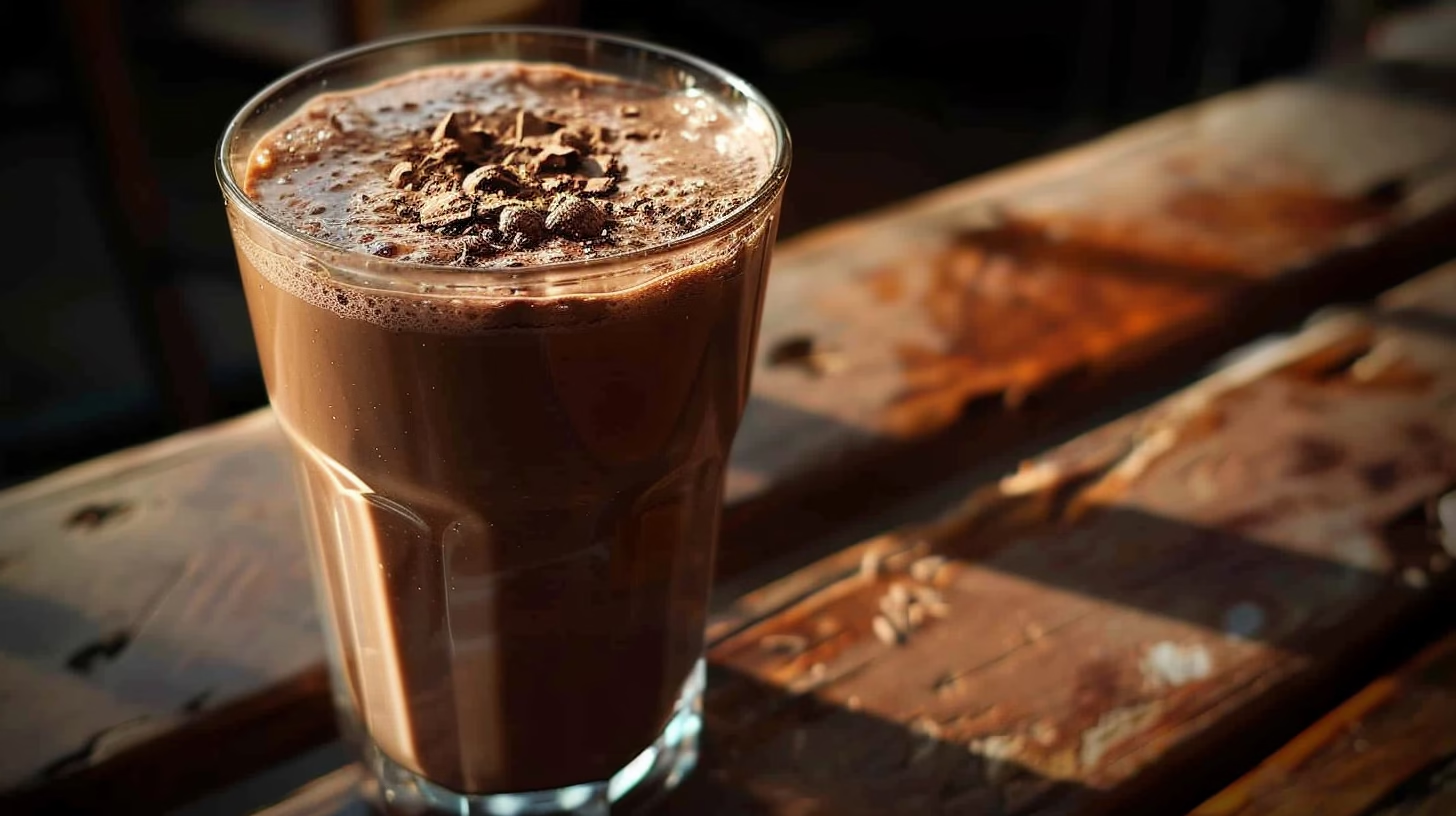
Chocolate oat milk is a plant-based beverage that combines rolled oats, cocoa powder, and your choice of liquid into a rich, creamy drink that rivals traditional dairy milk. This homemade chocolate oat milk delivers natural sweetness, smooth texture, and impressive nutritional benefits without artificial additives. You’ll find that making chocolate oat milk at home gives you complete control over sweetness levels, chocolate intensity, and ingredient quality. The beauty of chocolate oat milk lies in its versatility: drink it cold for breakfast, warm it for cozy evenings, or blend it into smoothies and coffee drinks. I’ve tested countless variations, and I’m here to share the methods that consistently produce the creamiest, most flavorful chocolate oat milk every single time.
Table of Contents
Chocolate Oat Milk

A rich, plant-based beverage made from rolled oats, cocoa powder, and liquid. Perfectly creamy, naturally sweet, and versatile for cold or warm use. No artificial additives or dairy required, with customizable sweetness and chocolate intensity for a café-quality drink at home.
- 2 cups rolled oats
- 1/4 cup unsweetened cocoa powder
- 4 cups water or plant-based milk (almond, soy, or oat)
- 1-2 tablespoons sweetener of choice (maple syrup, dates, or agave nectar)
- 1/4 teaspoon vanilla extract (optional)
- Pinch of salt
Combine rolled oats, cocoa powder, water or plant-based milk, sweetener, vanilla (if using), and salt in a blender
Blend on high for 1-2 minutes until smooth and frothy
Strain through a nut milk bag or cheesecloth into a container, pressing firmly for maximum liquid yield
Store in a sealed container in the refrigerator for up to 5 days
For warm chocolate oat milk, gently heat 1 cup in a saucepan until steaming but not boiling
Adjust water/oat milk ratio for desired consistency (more liquid for thinner milk, less for creamier results)
Add 1/2 teaspoon cinnamon or 1/4 teaspoon espresso powder for flavor variations
Shake well before use as natural separation occurs
Blend in small batches for best results
Nutritional Information
| Nutrient | Amount per Serving (1 cup) |
|---|---|
| Calories | 150-180 |
| Protein | 3-4g |
| Fat | 4-6g |
| Carbohydrates | 28-32g |
| Dietary Fiber | 2-3g |
| Sugars | 18-22g (varies by sweetener) |
| Sodium | 95-120mg |
| Calcium | 200-250mg (fortified versions) |
Approximate values based on standard recipe proportions. Values vary depending on specific ingredients and sweetener choice.
Why This Recipe Works
I discovered that chocolate oat milk works brilliantly because oats naturally create a creamy base without any gums or stabilizers. The starches in oats release during blending, creating that silky mouthfeel you’d expect from whole milk. When you combine this creamy oat foundation with quality cocoa powder, you get a drink that’s simultaneously smooth and deeply chocolate-forward. I’ve found that this particular ratio prevents the graininess that sometimes plagues homemade oat milk beverages.
The genius of this chocolate oat milk recipe is its simplicity paired with sophisticated flavor development. You’re working with just five or six ingredients, yet the result tastes like it came from a professional café. I appreciate how the cocoa powder dissolves completely, creating an even chocolate distribution rather than settling at the bottom. The natural sweetness from the oats means you need less additional sweetener, making this version genuinely better for your health than store-bought alternatives.
What makes this chocolate oat milk truly special is how forgiving the method proves to be. Whether you prefer yours thick like heavy cream or thin like skim milk, you simply adjust the water ratio. I’ve made this countless mornings, and I consistently achieve café-quality results. The flavor stays stable whether you drink it immediately or refrigerate it for several days, which can’t be said for all homemade plant-based milks.
Ingredients
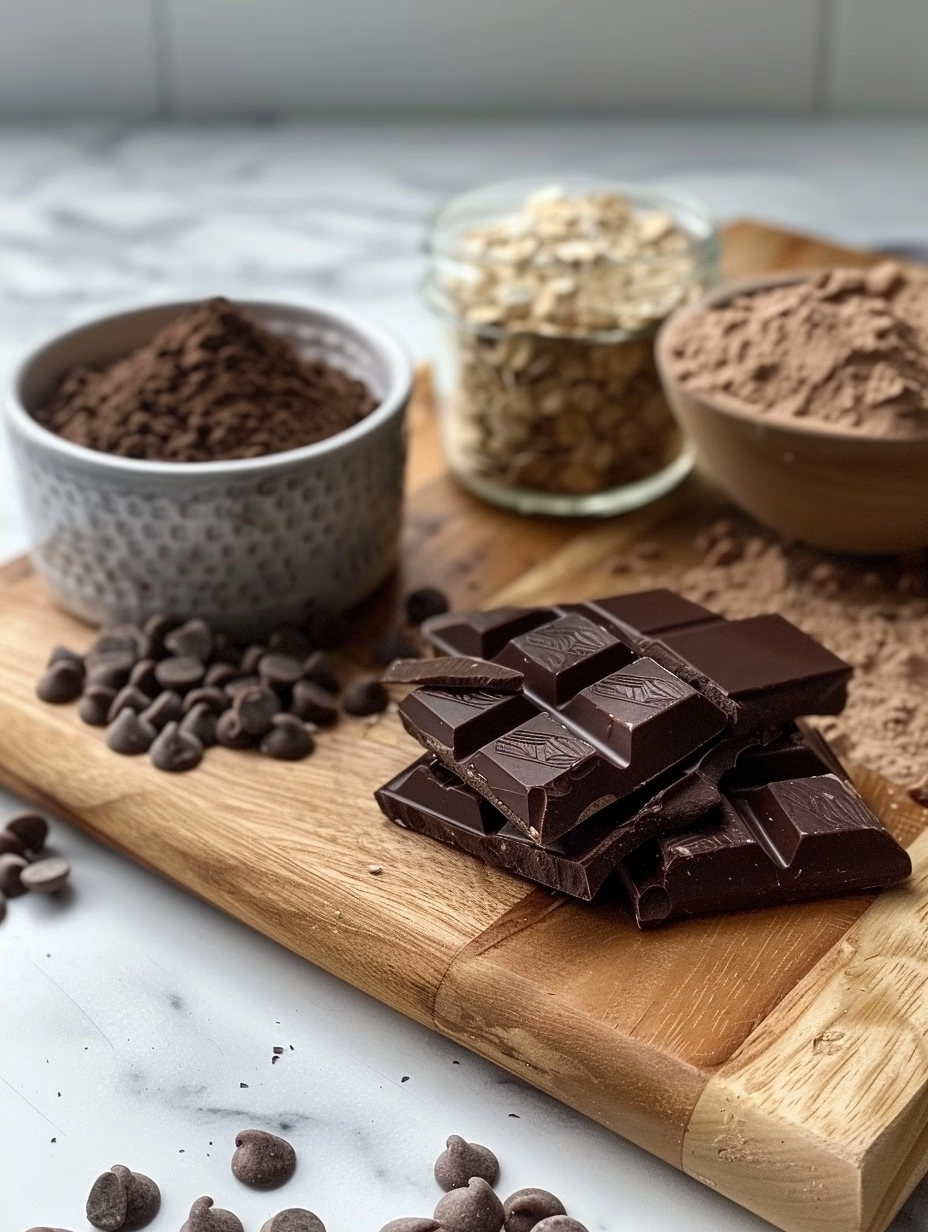
| Ingredient | Quantity | Notes and Alternatives |
|---|---|---|
| Rolled Oats | 1 cup | Use certified gluten-free oats if needed. Avoid steel-cut oats as they won’t blend smoothly. |
| Unsweetened Cocoa Powder | 3-4 tablespoons | Use natural or Dutch-processed cocoa. Dutch-processed creates a smoother, less bitter chocolate flavor. |
| Filtered Water | 4 cups | Use room temperature water for easier blending. Adjust ratio for thinner or thicker consistency. |
| Sweetener (Your Choice) | 2-3 tablespoons | Maple syrup, agave nectar, or honey work best. Date paste offers natural sweetness and creaminess. |
| Vanilla Extract | 1 teaspoon | Pure vanilla extract enhances chocolate notes. Omit if using vanilla-flavored sweeteners. |
| Sea Salt | Pinch | Enhances chocolate flavor. Use fine sea salt to avoid grittiness. |
Chef Tips for Perfect Results
- Blend at high speed for full 45-60 seconds: This ensures the cocoa powder dissolves completely and oats release their natural creaminess. Insufficient blending leaves you with gritty chocolate oat milk that separates quickly.
- Strain through cheesecloth if you prefer ultra-smooth texture: Pour your blended chocolate oat milk through fine-mesh cheesecloth or a nut milk bag for 3-5 minutes. This removes any remaining oat particles without eliminating beneficial fiber.
- Chill your blender pitcher beforehand: A cold blender keeps ingredients at optimal temperature and prevents oxidation of the delicate cocoa compounds. This simple step noticeably improves flavor depth and prevents premature separation.
- Add sweetener gradually while tasting: Everyone’s sweetness preference differs dramatically. Start with two tablespoons, blend thoroughly, taste, then add more if needed. This prevents oversweetening and allows chocolate flavors to shine through.
- Use Dutch-processed cocoa for smoother results: This cocoa variety blends more easily and creates a less bitter, more refined chocolate oat milk. Natural cocoa requires more vigorous blending and occasionally leaves specks.
- Shake well before each serving: Even properly made chocolate oat milk separates slightly over time. A vigorous shake redistributes the cocoa and oats for consistent flavor and texture throughout.
Step-by-Step Instructions
Preparation Phase
- Measure one cup of rolled oats into your high-powered blender.
- Add four cups of filtered water at room temperature to the blender.
- Pour in three to four tablespoons of unsweetened cocoa powder, depending on how intense you prefer your chocolate flavor.
Blending Phase
- Secure the blender lid firmly and start on low speed for five seconds to combine dry ingredients.
- Gradually increase speed to high and blend for exactly 45-60 seconds continuously.
- Pause blending and check that cocoa powder has completely dissolved with no visible brown specks.
- Add two tablespoons of your chosen sweetener, one teaspoon pure vanilla extract, and a pinch of sea salt.
- Blend again on high speed for 15-20 seconds until sweetener fully incorporates.
Finishing Phase
- Pour the chocolate oat milk through a fine-mesh strainer if you prefer extra smoothness, allowing it to drain naturally for three to five minutes.
- Transfer the finished chocolate oat milk into glass bottles or storage containers.
- Refrigerate immediately and shake thoroughly before each use.
Common Mistakes to Avoid
Mistake 1: Using instant oats instead of rolled oats. Instant oats break down too quickly during blending, creating a gluey texture rather than creamy chocolate oat milk. The starches release too rapidly, thickening your milk into an unpleasant pudding-like consistency. Always reach for rolled oats or old-fashioned oats to maintain proper texture and mouthfeel.
Mistake 2: Blending for insufficient time. Underblending leaves cocoa powder undissolved, creating grainy chocolate oat milk that separates immediately. The oat starches won’t release properly, resulting in thin, watery liquid. Commit to the full 45-60 seconds at high speed to achieve proper emulsification and creaminess.
Mistake 3: Using hot water instead of room temperature water. Hot water accelerates oat breakdown into a sludgy consistency, compromising the delicate balance that creates silky chocolate oat milk. Room temperature water allows controlled starch release for optimal texture. If you prefer warm chocolate oat milk, blend it cold first, then heat gently in a saucepan afterward.
Mistake 4: Forgetting to shake before serving. Chocolate oat milk naturally separates during storage because cocoa and oat particles settle. Skipping the shake means your later servings taste significantly thinner and less chocolatey. A vigorous 15-20 second shake before pouring redistributes ingredients evenly throughout every serving.
Mistake 5: Storing in clear containers exposed to light. Light breaks down cocoa’s delicate flavor compounds and can cause slight rancidity in the small amount of oat oil present. Always store chocolate oat milk in opaque containers or dark glass bottles away from direct sunlight for maximum freshness and flavor preservation.
Variations and Substitutions
| Original Ingredient | Substitution Option | Impact on Flavor and Texture |
|---|---|---|
| Rolled Oats | Steel-cut oats (blended 2-3 minutes first) | Creates slightly thicker, more rustic texture. Requires pre-processing but adds interesting mouthfeel. |
| Unsweetened Cocoa Powder | Cacao nibs (3 tablespoons) | Produces chunkier texture but delivers more complex, less processed chocolate flavor with added crunch. |
| Filtered Water | Unsweetened coconut milk (2 cups) + 2 cups water | Adds tropical sweetness and increased creaminess. Results in richer mouthfeel and slightly higher calorie content. |
| Maple Syrup | Coconut sugar (same amount) | Creates earthier sweetness with subtle molasses undertones. Less refined taste but potentially lower glycemic impact. |
| Vanilla Extract | Almond extract (1/2 teaspoon) | Introduces subtle nuttiness that complements chocolate beautifully. Use sparingly as almond extract is intensely flavored. |
| Pinch of Sea Salt | Cinnamon (1/4 teaspoon) | Adds warmth and spice that enhances chocolate notes. Creates a chai-inspired chocolate oat milk variation. |
| Standard Recipe Base | Add 1 tablespoon almond butter | Increases protein content and creaminess significantly. Creates a more indulgent, dessert-like chocolate oat milk. |
| Standard Recipe Base | Add 1/2 teaspoon instant espresso powder | Deepens chocolate complexity without adding coffee flavor. Enhances cocoa’s natural intensity dramatically. |
Serving Suggestions and Pairings
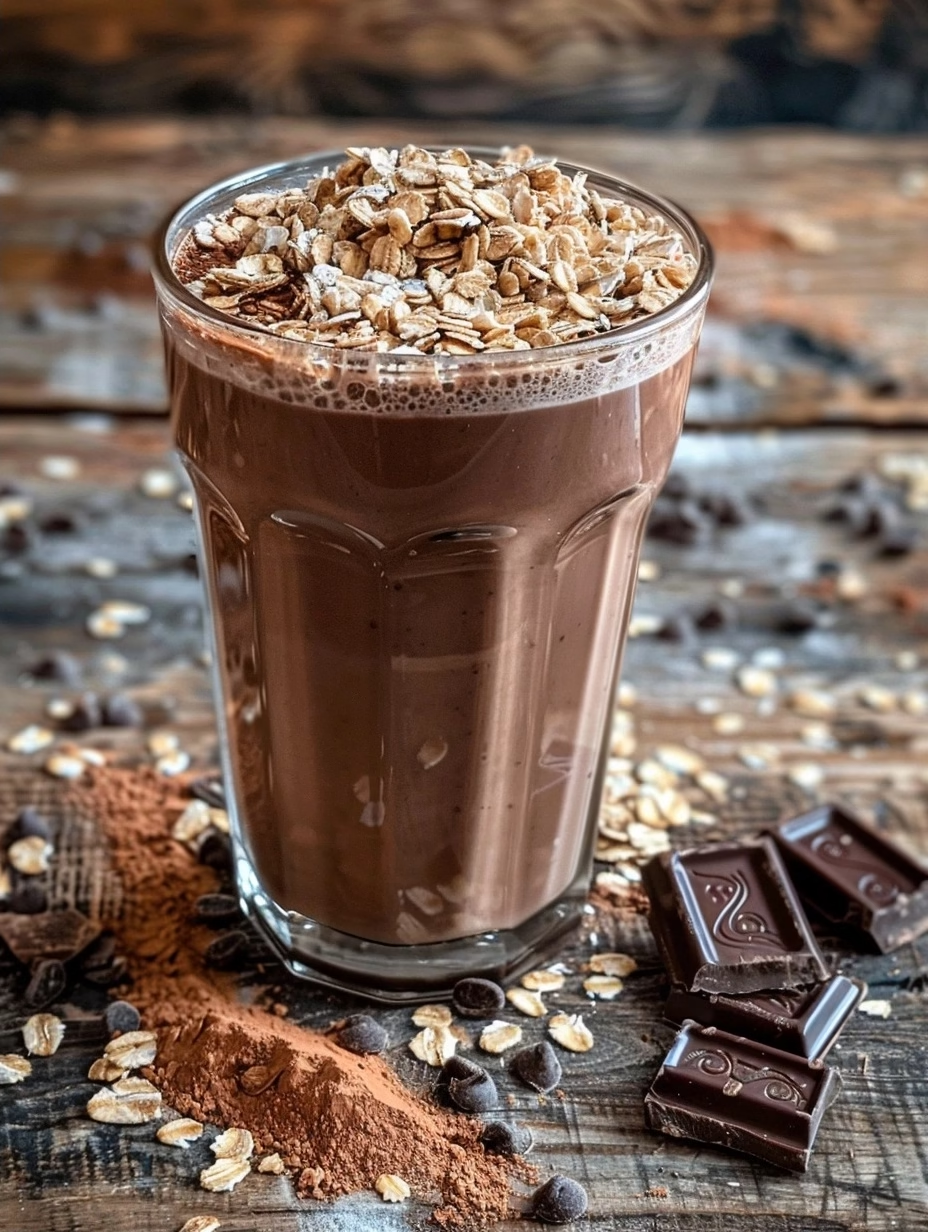
Serve chilled chocolate oat milk as a standalone breakfast beverage alongside whole grain toast with almond butter and fresh berries. Pour it over granola or muesli cereal for a complete breakfast bowl that delivers sustained energy throughout morning hours. Chocolate oat milk pairs exceptionally well with chocolate chip cookies, biscotti, or chocolate croissants for afternoon snacking occasions.
Transform your chocolate oat milk into an indulgent smoothie bowl by blending it with frozen bananas, cocoa nibs, and nut butter, then topping with granola, coconut flakes, and fresh strawberries. Create a café-style chocolate oat milk latte by warming your homemade chocolate oat milk and stirring in a double shot of espresso or strong brewed coffee. This dairy-free option works perfectly for those avoiding animal products while delivering café-quality results at home.
Host a brunch gathering and serve chocolate oat milk alongside fresh pastries, fruit platters, and savory breakfast items for a sophisticated spread. Chocolate oat milk complements French toast, pancakes, and Dutch pancakes beautifully, providing a lighter beverage alternative that doesn’t overwhelm delicate breakfast flavors. For evening occasions, gently warm your chocolate oat milk with a cinnamon stick for a cozy nightcap that satisfies chocolate cravings without excessive caffeine.
Storage and Reheating
| Storage Method | Duration | Instructions |
|---|---|---|
| Refrigerator in Glass Bottles | 5-7 days | Store in airtight glass containers away from direct light. Shake vigorously before each use as separation occurs naturally. Maintain consistent 38-40°F temperature for optimal freshness. |
| Freezer in Freezer-Safe Containers | Up to 3 months | Leave 1 inch headspace for expansion. Thaw overnight in refrigerator or place container in room-temperature water for 2-3 hours. Blend briefly after thawing to restore creaminess. |
| Gentle Stovetop Reheating | Individual servings | Pour desired amount into small saucepan over medium-low heat. Stir constantly for 3-5 minutes until steam appears. Do not boil as excessive heat damages delicate cocoa flavor compounds. |
| Microwave Reheating | Individual servings | Transfer to microwave-safe mug and heat in 30-second intervals, stirring between each interval. Total time typically 1-2 minutes for 8-ounce serving. Stir thoroughly after heating to redistribute settled cocoa. |
| Room Temperature (Short-term) | 2-3 hours maximum | Keep in sealed container away from direct sunlight and heat sources. Not recommended for extended periods due to potential bacterial growth. Discard if flavor changes or off-odors develop. |
Frequently Asked Questions
Can I make chocolate oat milk without a high-powered blender?
Yes, you can use a standard blender, though you’ll need to blend for 90-120 seconds instead of 45-60 seconds to achieve proper texture. Regular blenders process oats more slowly, requiring extended blending time to release starches and dissolve cocoa powder completely. The final result won’t be quite as smooth, but it will still taste delicious and creamy for your morning chocolate oat milk drink.
What’s the best sweetener for homemade chocolate oat milk?
Maple syrup creates the most refined flavor for chocolate oat milk because it dissolves instantly and complements cocoa beautifully without overpowering delicate notes. Date paste offers natural sweetness while adding creaminess that mimics dairy milk remarkably well. Avoid artificial sweeteners as they can impart chemical flavors that clash with quality cocoa in your chocolate oat milk beverage.
Why does my chocolate oat milk taste bitter or gritty?
Bitter flavor typically results from using natural unsweetened cocoa powder, which requires adjustment to personal taste. Add an extra half tablespoon of sweetener to balance bitterness in your chocolate oat milk. Gritty texture indicates insufficient blending or using the wrong oat variety; always blend for full 45-60 seconds at high speed and stick with rolled oats rather than steel-cut varieties.
Can I use instant oats or quick oats for chocolate oat milk?
Instant and quick oats break down too rapidly, creating thick, pudding-like consistency rather than proper milk texture in your chocolate oat milk recipe. These varieties contain pre-cut oats that release starches too quickly during blending. Always use old-fashioned rolled oats to achieve the ideal balance between creaminess and pourable consistency.
How much protein does homemade chocolate oat milk contain?
One cup of homemade chocolate oat milk contains approximately 3-4 grams of protein from the oats, making it lower than dairy milk but comparable to many commercial plant-based alternatives. You can significantly increase protein by adding one tablespoon of almond butter, peanut butter, or hemp seeds to your chocolate oat milk before blending. This simple addition boosts protein to 6-8 grams per serving while enhancing overall creaminess and nutritional value.
Conclusion
Chocolate oat milk delivers creamy, delicious satisfaction while offering complete control over ingredients and flavor intensity that commercial versions simply cannot match. This straightforward recipe requires just minutes of active preparation time for results that rival café beverages. Whether you’re avoiding dairy, seeking budget-friendly alternatives, or simply exploring new flavors, homemade chocolate oat milk proves remarkably versatile and consistently reliable. Shake well before serving, and enjoy that irresistible chocolate richness in every single sip.
Explore more breakfast recipes here to discover additional plant-based beverages and nutritious morning options that complement your chocolate oat milk perfectly. Follow our latest creations and recipe inspiration on Pinterest for daily updates featuring beautiful photography and tested variations.
Additional Resources
For more information on plant-based milk alternatives and nutritional benefits, visit the Healthline guide to oat milk nutrition and explore the Forks Over Knives collection of plant-based milk recipes.