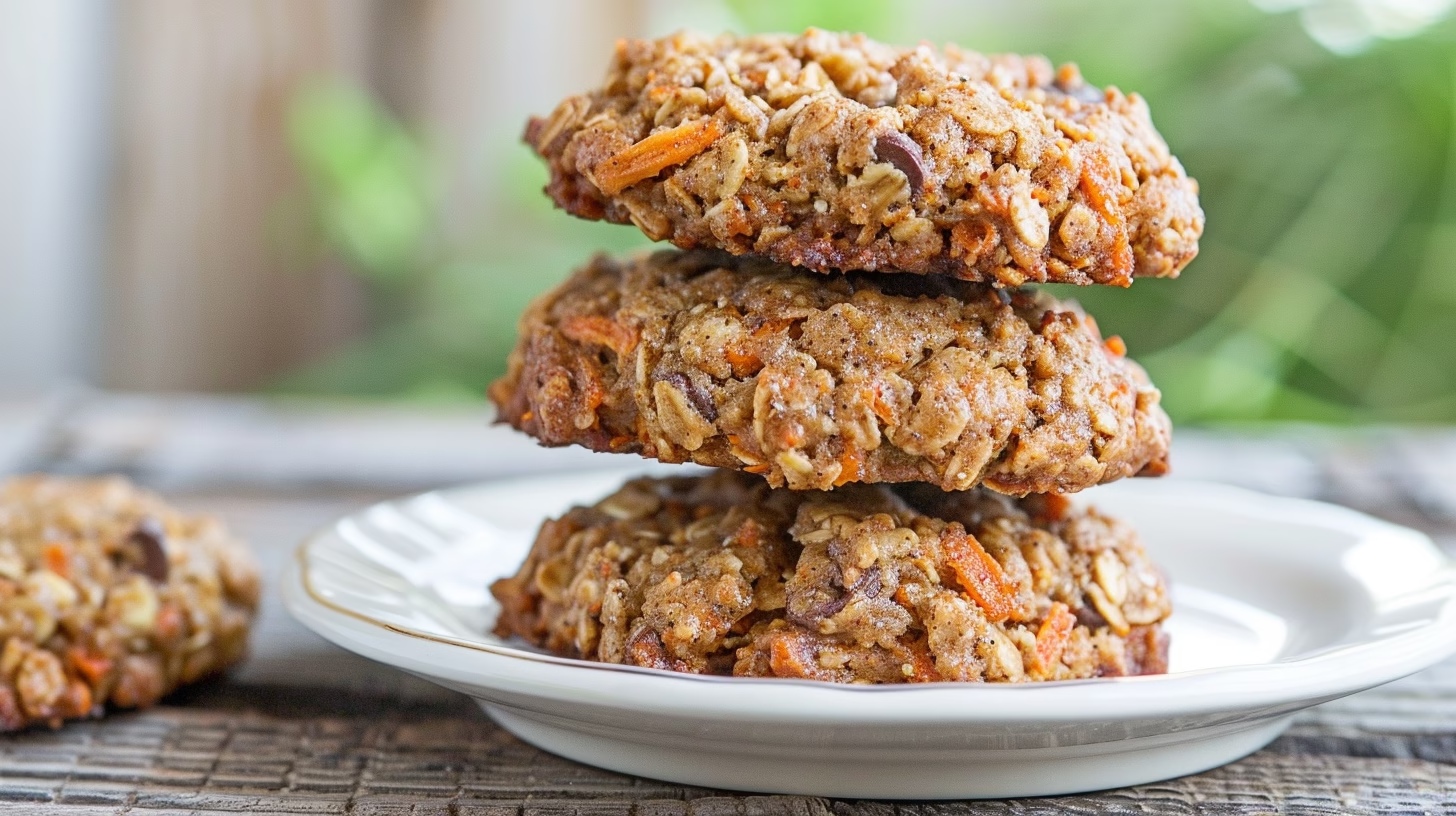
Carrot cake oatmeal cookies combine the moist, tender crumb of classic carrot cake with the wholesome goodness of rolled oats in one delicious bite. These cookies deliver the authentic spiced flavor profile you love from traditional carrot cake while offering a convenient, hand-held treat you can enjoy anytime. I’ve perfected this carrot cake oatmeal cookies recipe through years of testing, and I’m thrilled to share the exact techniques that transform simple ingredients into bakery-quality results. The secret lies in using both shredded carrots and crushed pineapple for natural moisture, combining old-fashioned oats with the perfect ratio of warm spices, and understanding the precise baking time that locks in that coveted chewy texture.
Table of Contents
Carrot Cake Oatmeal Cookies Recipe: 10 Secrets for Perfect Chewy Texture
These chewy carrot cake oatmeal cookies combine the classic warm spices of carrot cake with the texture of hearty rolled oats. The addition of shredded carrots and crushed pineapple ensures a moist, cake-like crumb while maintaining a satisfyingly chewy bite. Perfect for any time of day!
- 2 cups all-purpose flour
- 3/4 cup granulated sugar
- 3/4 cup brown sugar, packed
- 1 cup unsalted butter, softened
- 2 large eggs
- 1 1/2 cups old-fashioned rolled oats
- 1 1/2 cups shredded carrots
- 1/2 cup crushed pineapple, drained
- 1 tsp baking soda
- 1 tsp baking powder
- 1 tsp ground cinnamon
- 1/2 tsp ground nutmeg
- 1/2 tsp ground ginger
- 1/4 tsp salt
Preheat oven to 350°F (175°C)
Line baking sheets with parchment paper
In a large bowl, cream together butter, granulated sugar, and brown sugar until light and fluffy
Beat in eggs one at a time
In a separate bowl, whisk together flour, baking soda, baking powder, cinnamon, nutmeg, ginger, and salt
Gradually add dry ingredients to the wet mixture until fully combined
Stir in oats, carrots, and drained crushed pineapple
Drop rounded tablespoons of dough onto prepared baking sheets
Bake 10-12 minutes or until edges are golden but centers remain slightly soft
Cool on baking sheets for 5 minutes before transferring to wire racks
Use old-fashioned rolled oats for chewiness – quick oats will make cookies dense
Drain pineapple completely to prevent sogginess
For extra moisture, add an additional 1/4 cup crushed pineapple if dough seems dry
Store in airtight containers at room temperature for up to 5 days
Nutritional Information
| Nutrient | Amount per Serving (1 cookie) |
|---|---|
| Calories | 140 |
| Protein | 2.5g |
| Fat | 5.2g |
| Carbohydrates | 21g |
| Fiber | 1.8g |
| Sugar | 13g |
| Sodium | 95mg |
Approximate values based on 24 cookies per batch. Actual nutrition varies with ingredient brands and serving size.
Why This Recipe Works
I discovered that this carrot cake oatmeal cookies recipe succeeds because it balances moisture retention with structure in ways most cookie recipes miss. Traditional cookies rely on butter and sugar for texture, but I’ve learned that shredded carrots and crushed pineapple provide consistent moisture that keeps these cookies chewy for days without refrigeration. The combination creates an almost cake-like interior while maintaining the satisfying bite of a proper cookie.
The oat factor matters tremendously in this recipe. I specifically use old-fashioned rolled oats rather than quick oats because they deliver superior texture and chewiness. Quick oats break down too much during mixing and baking, resulting in a dense, crumbly texture that disappoints. Rolled oats maintain their structure and contribute visual appeal while providing the wholesome flavor profile that makes these cookies stand apart from ordinary chocolate chip varieties.
Spice balance represents the third pillar of this recipe’s success. I’ve tested countless spice combinations, and this particular blend of cinnamon, nutmeg, and ginger mirrors authentic carrot cake perfectly without overpowering the delicate vegetable flavor. The spices warm and deepen the carrot notes while creating sophisticated complexity that elevates these cookies beyond basic oatmeal recipes you’ll find elsewhere.
Ingredients
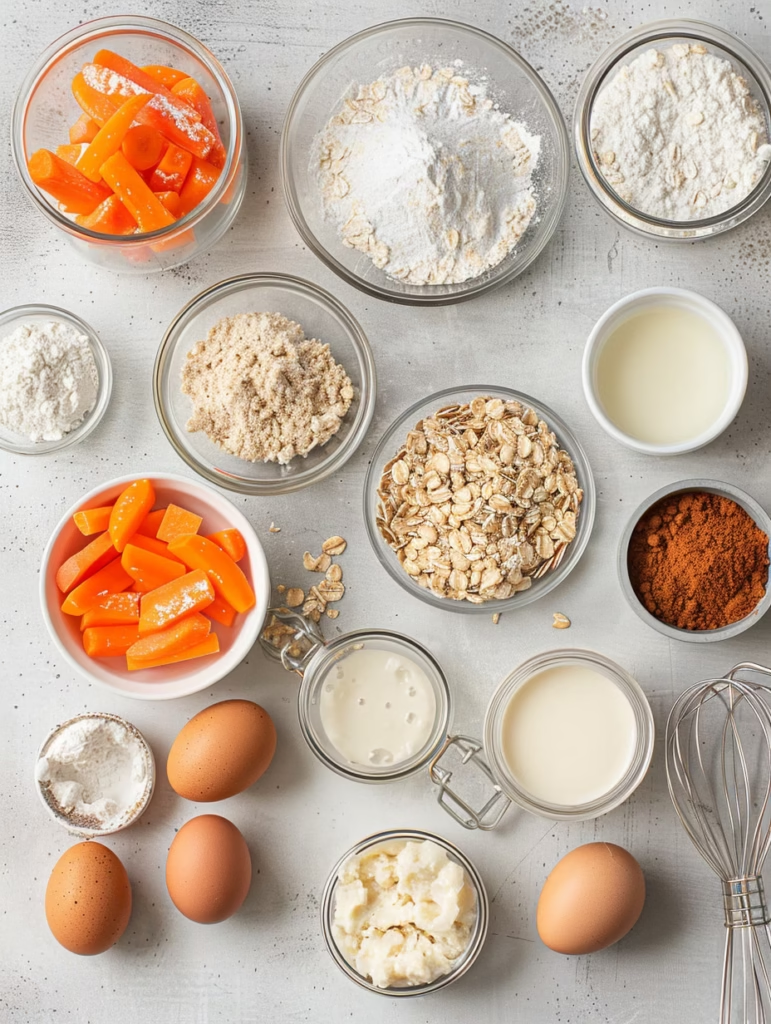
| Ingredient | Quantity | Notes with Alternatives |
|---|---|---|
| Unsalted butter, softened | 1/2 cup (115g) | Room temperature ensures proper creaming. Salted butter works; reduce added salt by half. |
| Granulated white sugar | 3/4 cup (150g) | Standard granulated works best. Coconut sugar adds deeper molasses notes but requires 1 tbsp extra liquid. |
| Packed brown sugar | 1/2 cup (110g) | Essential for moisture and caramel depth. Don’t skip this; it defines the cookie’s texture. |
| Large egg | 1 whole | Room temperature prevents overmixing. Flax egg (1 tbsp ground flax + 3 tbsp water) works for vegan version. |
| Vanilla extract | 1.5 tsp | Pure vanilla intensifies flavor compared to imitation. Non-negotiable for professional results. |
| All-purpose flour | 1.5 cups (190g) | Spoon and level for accuracy. Cake flour yields softer, cake-like texture; reduce to 1.25 cups. |
| Old-fashioned rolled oats | 1.5 cups (120g) | Crucial for chewiness. Quick oats create dense, crumbly cookies. Steel-cut oats don’t work. |
| Ground cinnamon | 1.5 tsp | Freshly measured from container, not settled. Stale spices diminish flavor significantly. |
| Ground nutmeg | 0.5 tsp | Fresh-ground nutmeg from whole seeds elevates the entire batch. |
| Ground ginger | 0.25 tsp | Fresh ginger adds brightness. Crystallized ginger chopped finely works as supplement or substitute. |
| Baking powder | 1 tsp | Ensure not expired. Aluminum-free varieties prevent metallic aftertaste. |
| Baking soda | 0.5 tsp | Works with baking powder for proper rise and browning. |
| Fine sea salt | 0.5 tsp | Balances sweetness and amplifies flavors. Kosher salt requires slightly more volume. |
| Finely shredded carrots | 1 cup (120g) | Packed measurement after squeezing excess moisture. Day-old carrots work; avoid pre-shredded varieties. |
| Crushed pineapple in juice | 1/3 cup (80g) | Do not drain completely; retained juice adds critical moisture. Canned unsweetened is standard. |
| Raisins, chopped (optional) | 1/2 cup (85g) | Soaking raisins in warm water 10 minutes before adding plumps them. Chopped dried cranberries substitute well. |
| Walnuts, chopped (optional) | 1/2 cup (60g) | Toast nuts 5 minutes at 350F to intensify flavor. Pecans or sunflower seeds work. |
Chef Tips for Perfect Results
- Cream butter and sugars for exactly 3 minutes on medium speed. This incorporates air and creates the light, tender crumb structure. Under-creaming produces dense cookies; over-creaming causes excessive spread and thin edges.
- Squeeze shredded carrots firmly between paper towels before adding. Excess moisture from raw carrots undermines texture and makes cookies cake-like rather than chewy. This single step prevents most texture failures I’ve encountered.
- Add the egg slowly with the mixer running, incorporating completely before proceeding. Rushing this step causes separation and produces tough cookies. Wait 30 seconds between additions if making multiple batches.
- Combine dry ingredients in a separate bowl and whisk thoroughly before folding into wet ingredients. This distributes spices evenly and prevents streaking of cinnamon. Use a large rubber spatula for gentle folding that preserves aeration.
- Chill dough for minimum 30 minutes before scooping and baking. Cold dough spreads less and bakes to perfectly chewy centers. Two hours refrigeration yields even better results with less spread.
- Bake for exactly 11-13 minutes until edges firm but centers retain slight jiggle. Remove cookies when they appear underbaked; carryover heat completes the cooking process during the 5-minute cooling period on the baking sheet.
Step-by-Step Instructions
Preparation Phase
- Preheat your oven to 350 degrees Fahrenheit and position the rack to the center of the cavity.
- Line two baking sheets with parchment paper for even browning and easy removal.
- Squeeze finely shredded carrots between paper towels three times to remove all excess moisture.
- Measure out all dry ingredients and whisk together in a medium bowl: flour, cinnamon, nutmeg, ginger, baking powder, baking soda, and sea salt.
- Chop raisins and walnuts if using, setting them aside in separate small bowls.
Wet Mixture Phase
- Cut softened butter into 1-inch cubes and place in a large mixing bowl.
- Add granulated sugar and packed brown sugar to the butter.
- Beat on medium speed for exactly 3 minutes until pale, fluffy, and significantly increased in volume.
- Add the egg to the creamed mixture while the mixer runs on medium speed.
- Continue beating for 45 seconds after the egg disappears to fully incorporate.
- Add vanilla extract and beat for 20 seconds on low speed.
Combination Phase
- Fold the whisked dry ingredients into the wet mixture using a large rubber spatula.
- Gently stir until flour streaks disappear and the dough just comes together.
- Fold in the squeezed shredded carrots until evenly distributed throughout the dough.
- Fold in the crushed pineapple with juice using the same gentle technique.
- Fold in raisins and walnuts if your recipe includes these optional add-ins.
- Transfer the dough to a container and refrigerate for a minimum of 30 minutes.
Baking Phase
- Scoop dough using a 1-tablespoon spring-loaded cookie scoop for uniform sizing.
- Place scoops 2 inches apart on prepared baking sheets.
- Bake for 11-13 minutes until edges appear lightly golden but centers still show slight jiggle.
- Remove from oven and allow cookies to rest on the baking sheet for 5 minutes without moving.
- Transfer cookies to a wire cooling rack and cool completely before eating.
Common Mistakes to Avoid
Mistake: Using quick oats or instant oatmeal instead of old-fashioned rolled oats. Quick oats break down during mixing and baking, producing a dense, crumbly texture instead of chewy. The solution is simple: purchase certified old-fashioned rolled oats from your grocery store. These maintain their structure and deliver the signature texture that defines quality oatmeal cookies.
Mistake: Not squeezing excess moisture from shredded carrots before mixing. Wet carrots release juice during baking, resulting in soggy, cake-like cookies rather than chewy treats. Here’s my fix: wrap shredded carrots in several layers of paper towels and squeeze firmly over the sink. Your cookies will bake to perfect tenderness with excellent structure.
Mistake: Overbaking cookies because they appear underbaked when removed from the oven. Carrot cake oatmeal cookies continue cooking on the hot baking sheet after removal, and centers remain chewy from residual heat. Remove cookies when edges firm but centers jiggle slightly, then cool on the sheet for 5 minutes. Waiting prevents the dry, brittle texture that disappointed bakers experience.
Mistake: Creaming butter and sugar for insufficient time before adding the egg. Under-creaming prevents proper aeration, resulting in dense, flat cookies. Set a timer for exactly 3 minutes and beat on medium speed. The mixture should look pale, fluffy, and nearly doubled in volume. This step builds the structure that supports chewy interiors and tender crumbs.
Mistake: Skipping the refrigeration step because dough looks ready to bake immediately. Warm dough spreads excessively during baking, producing thin, crispy cookies rather than chewy treats. Refrigerate for a minimum of 30 minutes, or up to 24 hours. Cold dough holds its shape and delivers the thick, perfectly chewy cookies you’re pursuing with this recipe.
Variations and Substitutions
| Ingredient | Substitution | Impact on Flavor and Texture |
|---|---|---|
| Old-fashioned rolled oats | Steel-cut oats | Steel-cut oats remain too firm and create grainy texture. Not recommended for this recipe. |
| Old-fashioned rolled oats | Certified gluten-free rolled oats | Works perfectly; oats naturally contain no gluten. Follow same baking time and temperature. |
| All-purpose flour | Whole wheat flour (50% substitution) | Adds nutty depth and increases fiber. Cookies become slightly denser. Use maximum 50% whole wheat. |
| All-purpose flour | Cake flour (reduce to 1.25 cups) | Creates softer, more tender, cake-like cookies. Perfect for those preferring delicate texture. |
| Crushed pineapple | Unsweetened applesauce | Reduces tartness and increases subtle sweetness. Applesauce provides identical moisture benefits. |
| Brown sugar (0.5 cup) | Maple syrup (1/4 cup) | Requires reducing flour by 2 tablespoons. Adds distinct maple complexity and increases chewiness. |
| Raisins | Chopped dried cranberries | Adds tartness that balances sweetness. Provides visual appeal with deeper color. |
| Walnuts | Pecans or sunflower seeds | Pecans add richness; sunflower seeds provide crunch without nuts. Both work without recipe adjustment. |
| Vanilla extract | Almond extract (reduce to 1 tsp) | Creates sophisticated nutty undertone. Use sparingly as almond extract is potent. |
| Egg (binder) | Flax egg (1 tbsp ground flax plus 3 tbsp water) | Creates vegan version with identical texture. Mix flax and water and let sit 10 minutes before adding. |
Serving Suggestions and Pairings
Serve carrot cake oatmeal cookies at afternoon tea with hot chamomile or earl grey tea for an elegant pairing that complements the warm spices. The cookies’ natural sweetness balances perfectly with lightly bitter tea, creating sophisticated contrast that feels intentional and refined. For casual gatherings, arrange cookies on wooden boards alongside cream cheese frosting in small ramekins for dunking, mimicking traditional carrot cake presentation. This presentation transforms simple cookies into a conversation-starting dessert that impresses guests.
Pack carrot cake oatmeal cookies in school lunch boxes and office break rooms because they satisfy sweet cravings while providing wholesome oats and vegetables. The cookies stay chewy for three days unrefrigerated, making them excellent for travel and day trips. Serve alongside fresh-squeezed orange juice for breakfast or brunch, allowing citrus brightness to echo the pineapple notes baked into the dough. During holiday seasons, package these cookies in decorative tins as homemade gifts that recipients remember throughout the year. Include a handwritten recipe card so friends and family can recreate your signature carrot cake oatmeal cookies recipe at home.
Crumble leftover carrot cake oatmeal cookies into Greek yogurt for a textured breakfast parfait, then layer with honey and granola for added crunch. This transforms individual cookies into elegant single-serving desserts appropriate for dinner parties. Create cookie sandwiches by placing cream cheese frosting between two cookies, refrigerating until firm, and serving as a handheld treat that rivals bakery versions. These variations showcase the versatility of carrot cake oatmeal cookies recipe beyond simple plate-and-serve enjoyment.
Storage and Reheating
| Method | Duration | Instructions |
|---|---|---|
| Room Temperature Container | 3-4 days | Store cookies in airtight container with parchment between layers. Maintain chewy texture by adding small piece of bread to container, replacing daily. |
| Refrigerator | 1 week | Transfer fully cooled cookies to airtight container. Cold storage slows moisture evaporation. Bring to room temperature 15 minutes before serving for optimal texture. |
| Freezer | 3 months | Freeze baked cookies in freezer bag with parchment between layers for up to 3 months. Thaw at room temperature for 1 hour before eating. |
| Freezer (Raw Dough) | 2 months | Scoop dough balls onto baking sheet, freeze until solid, then transfer to freezer bags. Bake directly from frozen, adding 2-3 minutes to baking time. |
| Microwave Reheating | Per serving | Wrap individual cookie in paper towel, microwave 15-20 seconds for warm, chewy texture. Watch carefully to prevent overheating. |
| Oven Reheating | Batch | Wrap cookies loosely in foil, warm at 300 degrees Fahrenheit for 5-8 minutes. Foil retains moisture for superior texture compared to open baking. |
Frequently Asked Questions
Can I make carrot cake oatmeal cookies without eggs for a vegan version?
Yes, you can successfully substitute flax eggs using 1 tablespoon ground flaxseed mixed with 3 tablespoons water for each egg. Mix the flax and water together and let sit for 10 minutes to thicken before adding to your wet ingredients. Flax eggs provide identical binding power and create cookies with texture virtually identical to the traditional version.
What causes my cookies to spread too much during baking?
Cookies spread excessively when dough is too warm or contains excess liquid from undrained carrots and pineapple. Always refrigerate dough for minimum 30 minutes before baking, and squeeze excess moisture from carrots thoroughly before mixing. Verify your baking soda hasn’t expired, as expired leavening agents fail to provide proper rise and structure.
How do I know when carrot cake oatmeal cookies are perfectly done?
Remove cookies from the oven when edges appear lightly golden but centers show slight jiggle, typically at 11-13 minutes. The cookies continue cooking on the hot baking sheet during the 5-minute cooling period. Pressing the top gently with your finger should yield slight resistance with some give remaining.
Can I prepare the dough ahead of time and bake later?
Absolutely, carrot cake oatmeal cookie dough refrigerates perfectly for up to 24 hours. Scoop dough onto baking sheets before refrigerating for fastest preparation. You can also freeze scooped dough balls for up to 2 months, baking directly from frozen with an additional 2-3 minutes of baking time.
Should I use fresh or canned pineapple for this recipe?
Canned pineapple crushed in juice is superior to fresh because it provides consistent moisture from the juice retained in the can. Fresh pineapple releases variable amounts of liquid during storage and requires draining, which removes moisture your cookies need. Never substitute pineapple chunks for crushed pineapple as the different cut size affects moisture distribution.
Final Thoughts
Carrot cake oatmeal cookies deliver sophisticated spiced flavor with wholesome oat nutrition in one satisfying bite. These chewy, tender treats satisfy cravings for classic carrot cake while offering convenient portability that cake simply cannot match. I encourage you to follow this carrot cake oatmeal cookies recipe exactly through your first batch, then customize variations based on your taste preferences. Your family will return to this recipe repeatedly throughout the seasons.
More oatmeal cookie recipes await your exploration, each offering unique flavor combinations and texture variations that expand your baking repertoire. Follow us on Pinterest for oat recipe inspiration and join thousands of bakers discovering new favorites every week.